Loading image...

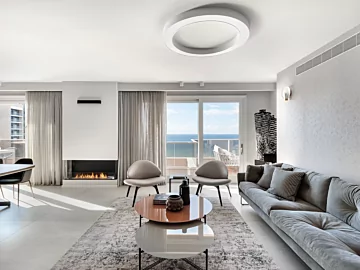 © Herbert / Architecture: @halel.arc / Photo: @odedsmadar
 Fireplace Inserts
Zero-clearance fireplaces
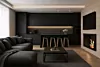
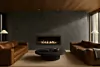
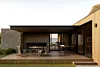
Create a social gathering point with an ethanol fireplace insert! A cosy and warm fireplace will perfectly complement your contemporary indoor or outdoor space. Available in different shapes, sizes and finishes, you're guaranteed to make memories around our ethanol fires.
Fireplace Insert Ranges


Models
Showing 16 items of 16
Single Sided Fireplace Inserts
Left Corner Fireplace Inserts
Right Corner Fireplace Inserts
Bay Fireplace Inserts
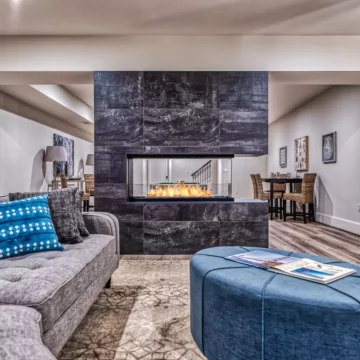
Double Sided Fireplace Inserts
Peninsula Fireplace Inserts
Island Fireplace Inserts
Bench Fireplace Inserts
Heritage 26SS Fireplace insert
Heritage 42SS Fireplace insert
Heritage 56SS Fireplace insert
Frame 600SS Fireplace insert
Frame 800SS Fireplace insert
Frame 1000SS Fireplace insert
Frame 1200SS Fireplace insert
Frame 1500SS Fireplace insert










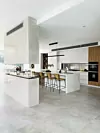





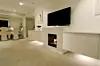


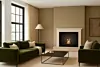

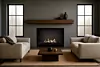







Loading image...
Premium materials
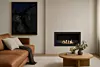
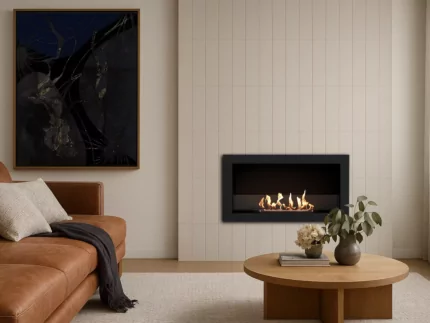
Constructed from mild steel with zinc-sealed, high-temperature powder-coat, toughened low-iron glass, and Grade 304 stainless steel burners, our Fireplace inserts are engineered for lasting performance and sophisticated style.
Zero clearance
Self-contained, zero clearance construction allows your Frame fireplace to be installed into wood or metal studs, providing installation freedom and flexibility for builders, architects, interior designers, landscapers and homeowners.
Loading image...
 © Design & Build: EcoLiv / Photo:
@kimkeltiephotography
© Design & Build: EcoLiv / Photo:
@kimkeltiephotography Complete design freedom
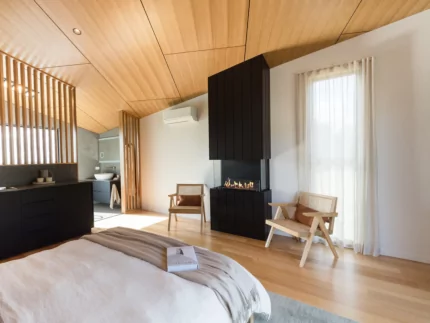
Place in virtually any room with complete customisation of finishing material. Whether integrating into marble, timber, concrete, or custom millwork, our Fireplace Inserts adapt beautifully to your aesthetic vision and architectural requirements.
Significant savings
With no flue requirement for gas lines, electricity, or venting, installation costs are dramatically reduced. Enjoy a streamlined process that eliminates multiple trades and complex approvals while maintaining premium quality and performance.
Loading image...
Loading image...

Loading image...

Our flame, your vision
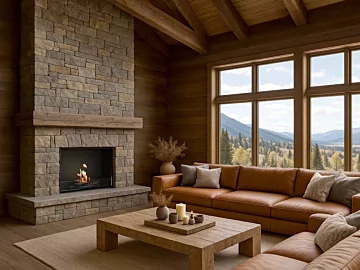
Embrace your creative freedom. Fireplace Inserts enable you to use any wall material, combustible or not, ensuring your vision comes to life without limitations.
Loading image...
No flue, no chimney, no vent
Fuelled by clean-burning e-NRG bioethanol, our burners produce a beautiful orange flame without any smoke, soot or ash.
Loading image...
Global compliance
These models comply with existing standards in the USA, Europe, UK and Australia. O-TL listed to UL1370, EN 16647 BSI Certified and ACCC Safety Mandate compliant.


Styled by Our Clients
Loading image...

Loading image...

Loading image...

Loading image...

Loading image...

Loading image...

Related Collections
Learn More
FAQ's
Can wall-mounted fireplaces be recessed into the wall?
Yes, EcoSmart Fire bioethanol fireplaces can be recessed into walls. The Flex range is specifically engineered for recessed installation, with the appliance mounted inside a wall cavity and finished flush with the surrounding surface, eliminating any protrusion.
A recessed Flex fireplace requires a framed cavity with specific dimensions: 365 mm [14.4 in] deep, 730 mm [28.7 in] high, and width from 488 mm [19.2 in] up to 4,140 mm [163 in] depending on the model chosen. The appliance slides into the cavity and anchors to the wall framing via mounting flanges. Crucially, any framing above the installation must be self-supporting; the fireplace itself carries no load from the structure.
The zero-clearance design means the unit installs directly against framing with no additional clearance requirements. Recessing integrates seamlessly with marble, timber, concrete, and bespoke millwork finishes, maximising the room footprint while creating a sculptural architectural focal point.
Recessed into an interior wall, a Flex bioethanol fireplace delivers a clean, indoor-optimised flame — no flue, no gas line, and no chimney required. The bioethanol fuel burns cleanly, producing no soot or smoke, making it well suited to sealed indoor environments where air quality and interior finish integrity matter. From living rooms and bedrooms to hospitality spaces, the flush, frameless installation creates a living indoor flame feature that is as architecturally refined as it is practically suited to indoor living.
Can you install a TV above a wall-mounted ethanol fireplace?
Yes, you can install a TV above a wall-mounted ethanol fireplace using one of three engineered design solutions. EcoSmart Fire bioethanol fireplaces emit minimal radiant heat and require no venting, making TV placement above the opening viable when proper spacing or shielding is applied.
The three approved approaches are: (1) a non-combustible mantel or ledge installed between the fireplace and TV to deflect radiant heat; (2) a recessed niche that sets the TV into the wall above the fireplace, creating physical depth separation from the flame; (3) sufficient setback clearance, positioning the TV well above the opening to allow heat to dissipate naturally.
Overhead clearance from the flame to any overhead surface must be 1,500–2,000 mm [59–78 in], depending on your burner model. Check your installation manual for the exact specification. The fireplace itself has zero clearance at the back and sides, but materials positioned above it, including your TV bracket, are not supported by the fireplace frame. Your TV bracket must be independently anchored to the wall structure or a structural element, not the fireplace surround. This independent anchoring ensures safe mounting and code compliance for load-bearing fixtures.
Can I install a fireplace insert into my existing fireplace?
EcoSmart’s fireplace inserts are mostly used for new construction when an entirely new fireplace is desired for a given space. They are not designed for the conversion or remodelling of an existing masonry or gas fireplace but could be used if the dimensions align.
To convert an existing fireplace we recommend using our fireplace grates or ethanol burners as noted above.
Ensure that the flue has been closed off and the relevant suppliers have officially detached all connections to utilities.
Do fireplace inserts require professional installation?
EcoSmart Fire's zero-clearance bioethanol fireplace inserts do not require professional installation. They are designed for confident DIY completion with comprehensive instructions.
The process has three steps: construct a timber-framed cavity to specified dimensions, mount the insert via the included mounting holes, and finish the surround with approved non-combustible materials. No structural modifications or specialist trades are needed.
Many customers choose to involve a qualified builder or interior designer, and this is where professional input earns its value. A tradesperson brings precise placement, tight integration with bespoke cabinetry, and a polished finish that elevates the overall design. If you're building or renovating, they can also coordinate installation timing across other trades on site.
EcoSmart Fire's trade specialists offer a free drawing review to validate your plan before work begins, giving you expert oversight without the cost of full professional installation.
Building permit requirements vary by jurisdiction; confirm local regulations before starting work.
What design materials and finishes can be used to surround an ethanol fireplace insert?
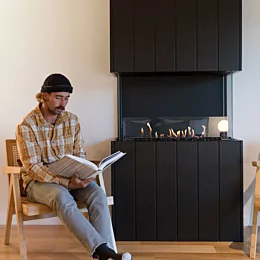
Zero-clearance construction gives a bioethanol fireplace insert genuine freedom at the face: marble, timber, concrete, and custom millwork all sit flush against the unit frame with no side or rear spacing required. The surround becomes a material decision, not a compliance one.
Approved face finishes include honed or book-matched marble, figured timber veneers, poured or board-formed concrete, and bespoke joinery. Tile, plastered masonry, brick, and natural stone work as substrate and typically as finish too, with non-combustible backing behind the cavity (EcoSmart Fire specifies vermiculite board, fibre cement, or steel framing lined with fire board). Matte surfaces like raked plaster or fluted stone read the flame as warm and painterly; reflective finishes like polished marble or blackened steel double the fire visually and throw light deeper into the room.
The only real constraint sits above the unit. EcoSmart Fire's installation guidelines specify a minimum of 600 mm [23.6 in] from the flame for non-combustible mantels or shelves, and at least 1,500 mm [59.1 in] for combustible materials including timber mantels, ceilings, joinery returns, and curtains. Everything beside and behind the firebox is yours to specify.
For retrofit projects, the wall finish can be reworked later without damaging the insert or the surrounding structure, which keeps the surround a live design decision rather than a permanent commitment.
What is the maximum width available in EcoSmart wall-mounted fireplaces?
The maximum width available in EcoSmart Fire wall-mounted fireplaces is approximately 4,232 mm [166.5 in], with a viewing area of approximately 4,031 mm [158.7 in], achieved in the Flex range's largest single-sided configuration. This makes it the widest wall-mounted option in the EcoSmart Fire portfolio.
The Flex range spans 12 sizes, starting from approximately 457 mm [18 in], giving you flexibility to scale from compact living spaces to dramatic feature walls. The Heritage range offers three compact sizes up to approximately 1,422 mm [56 in], suited to apartments and smaller interiors. The Frame range provides four size options within the 600–1,500 mm series for architectural installations.
Because EcoSmart Fire fireplaces use bioethanol fuel, they require no flue or chimney. This ventless design eliminates the structural constraints that limit traditional fireplaces, enabling you to specify truly expansive widths without engineering challenges. All sizes are engineered as zero-clearance, true built-in constructions and meet international safety standards including UL 1370, EN 16647, and ACCC certification.
For exact dimension specifications across all ranges, visit the EcoSmart Fire website or speak with a design specialist to confirm availability and lead times for your specific project requirements.
What are the differences between the Flex, Heritage, and Frame fireplace insert series?
Three zero-clearance bioethanol series, three distinct design intents. Flex is the format-flexible range for bespoke and commercial builds, Heritage reimagines the traditional hearth for compact and high-rise settings, and Frame delivers low-profile linear flame for contemporary and retrofit interiors.
Where they diverge:
- Flex offers the widest format choice: 12 single-sided sizes from 378 to 4,030 mm [14.9 to 158.7 in] viewing width, available across eight configurations (single-sided, left corner, right corner, bay, double-sided, peninsula, island, and bench). The viewing area is all live flame. Select models include an optional decorative box and copper log set. Single-sided models share a 365 mm [14.4 in] depth.
- Heritage is the single-sided traditionalist. Three sizes, 860 to 1,624 mm [33.9 to 63.9 in] wide, with the tallest proportions and deepest 539 mm [21.2 in] profile of the three. A SECC steel grate and toughened glass fire screen come standard, creating the classic log-fire read inside a modern firebox. Zero-clearance, ventless installation makes it suited to compact living spaces and high-rise buildings.
- Frame is the shallowest and lowest-slung, at 363 to 403 mm [14.3 to 15.9 in] deep and 598 mm [23.5 in] high. Five single-sided sizes, toughened low-iron glass for clearer flame, and a design that lets wall finishes be updated without disturbing the insert.
Flex for design freedom. Heritage for traditional proportions without the infrastructure. Frame for linear, low-profile statements and renovations.
Can a wall-mounted bioethanol fireplace be installed in a rental property?
Yes, a wall-mounted bioethanol fireplace can be installed in a rental property, provided you have written consent from your landlord or property manager.
Bioethanol models have a clear advantage in the rental context: no gas line, no flue, and no electrical connection are required. The fireplace runs entirely from bottled fuel, so there is no permanent utility infrastructure to negotiate. This removes the primary obstacles that would make a gas or wood-burning installation impractical or impossible in most rental agreements.
Installation does involve physical wall work. A recessed model requires a framed wall cavity; a surface-mounted model requires anchor fixings. Both create modifications that most tenancy agreements require prior landlord approval for. Obtain that consent in writing before any work begins.
Do I need a chimney for an ethanol fireplace insert?
No, ethanol fireplace inserts don't require a chimney. The clean-burning chemistry of bioethanol combustion produces only heat, water vapour, and minimal CO2, with no smoke, soot, or harmful gases that would need venting through a flue. This zero-clearance capability means the insert can sit inside your existing fireplace opening with heat retained in the room.
When retrofitting an existing fireplace with an active chimney, simply seal the damper or install a metal plate to block the opening. This prevents warm air escaping up the unused flue and maximises the fireplace's heating efficiency. All EcoSmart Fire bioethanol inserts are UL-listed and EN 16647 certified, meeting international safety standards for clean-burning, unvented operation.
What is the minimum wall space required for a wall-mounted bioethanol fireplace?
Minimum footprints by range:
- Frame (surface-mounted, zero clearance): 746 mm x 798 mm, 403 mm deep
- Flex (recessed cavity): 488 mm wide x 730 mm tall, 365 mm deep
- Heritage (hearth alcove): 860 mm wide x 910 mm tall, 539 mm deep